In business, companies often need help from outside vendors to deliver products or services. To find the right partner, they use structured documents that explain what they need and invite responses. Two of the most common are the Request for Proposal (RFP) and the Request for Quotation (RFQ).
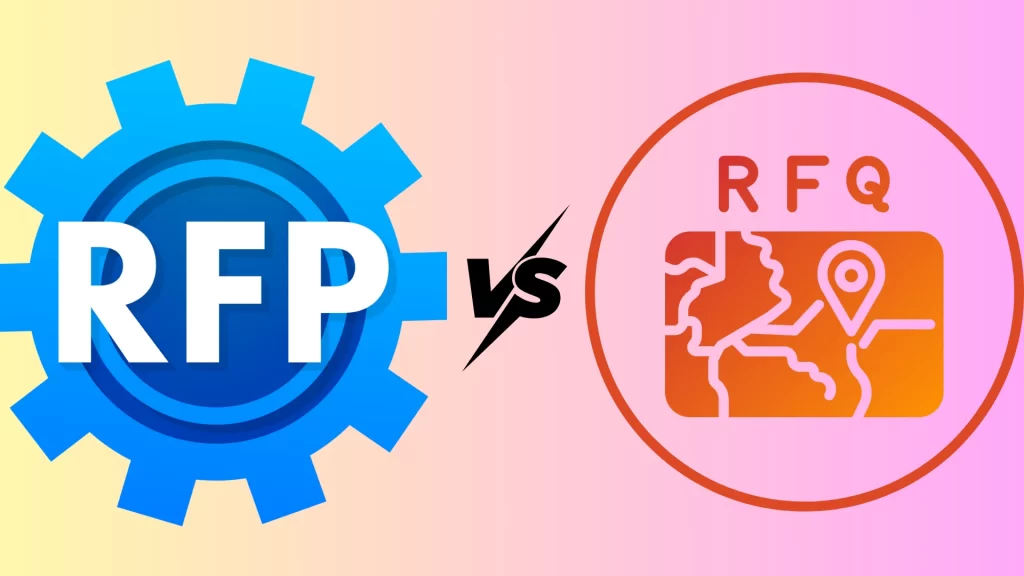
Although they sound similar, they serve very different purposes. An RFQ focuses on pricing and is used when the company knows exactly what it wants to buy. It asks vendors to provide a cost breakdown so the buyer can select the most competitive offer. An RFP, on the other hand, is used when the project is more complex. It not only considers price but also strategy, approach, and the vendor’s experience in solving the problem.
For standard purchases, businesses often issue RFQs for Stationery Supplies Related Office and School to ensure cost-effective procurement.
Understanding the difference between the two helps businesses make smarter decisions. Choosing the right process ensures fair competition, clearer expectations, and better project outcomes.
What is an RFQ?
A Request for Quotation (RFQ) is a formal document that companies use when they know exactly what product or service they want to buy. It asks vendors to provide detailed prices so the business can compare offers.
Purpose of an RFQ in Business
The main goal of an RFQ is to get clear and competitive pricing. It ensures that all vendors quote for the same specifications, making it easier to see which option provides the best value.
In many industries, Medical and Surgical Supplies are purchased through RFQs where exact specifications and quantities are predefined.
How Does an RFQ Work?
The process usually begins with the company preparing a detailed list of requirements. Vendors then respond with their pricing and terms. The buyer compares these quotes side by side and selects the most suitable option.
When Should You Use an RFQ?
An RFQ is best used when the company has a clear idea of its needs and the products or services are standardized. This often applies to items like office supplies, raw materials, or equipment purchases.
Example of an RFQ
For instance, if a company needs 1,000 branded T-shirts, it can send an RFQ to multiple suppliers. Each vendor will provide a price per shirt, production timeline, and delivery details, making it simple to choose the best offer.
What is an RFP?
Definition of an RFP
A Request for Proposal (RFP) is a document that organizations use when they need outside expertise for a project. It invites vendors to explain not only their pricing but also their strategies, qualifications, and methods for delivering results.
Purpose of an RFP in Projects
The main purpose of an RFP is to find the best overall partner for a complex project. Unlike a simple price request, it helps businesses evaluate vendors based on creativity, experience, and ability to meet goals.
For example, a company planning IT transformation might use an RFP for Network Security and Support Services to ensure technical expertise along with competitive pricing.
How Does an RFP Work?
The process starts with the organization outlining its needs, objectives, and evaluation criteria. Vendors then submit proposals that detail their approach, timelines, and pricing. These responses are reviewed, scored, and compared to identify the most suitable partner.
When Should You Use an RFP?
An RFP is most useful when a project requires strategy or problem-solving. It works well for marketing campaigns, technology solutions, or consulting services where the company needs more than just a product price.
Example of an RFP
For example, a business planning a new website may issue an RFP to digital agencies. Each agency responds with a proposal explaining design concepts, technical solutions, schedules, and costs. The business then selects the partner whose plan best fits its vision.
Key Differences Between RFP and RFQ
Structure and Format
An RFQ is usually short and focused mainly on pricing and delivery terms. An RFP, however, is more detailed, including project background, goals, and specific requirements for strategy and execution.
Purpose and Objectives
The purpose of an RFQ is to get the best price for a defined product or service. The purpose of an RFP is broader, it aims to find the vendor who can offer the best solution, not just the lowest cost.
Questions Asked
In an RFQ, the questions are about quantities, costs, and delivery timelines. In an RFP, the questions cover approach, experience, methodology, and how the vendor will achieve the desired results.
Evaluation Process
RFQs are evaluated mainly on price and terms. RFPs involve a deeper review, where decision makers compare technical proposals, creativity, and vendor expertise alongside cost.
Outcomes Expected
An RFQ typically results in a quick purchase decision based on numbers. An RFP leads to a strategic partnership where the chosen vendor is expected to deliver long-term value beyond pricing.
In technical projects, GIS and Mapping Services are often handled through RFPs instead of RFQs due to their complexity.
Choosing Between RFP and RFQ
When Price Is the Main Factor
An RFQ is the right choice when cost is the top priority. If the product or service is clearly defined and quality standards are the same across vendors, price becomes the main deciding factor. This makes the process quick and straightforward.
When Strategy and Expertise Matter
An RFP is more suitable when a project requires problem-solving, creativity, or specialized knowledge. Here, businesses need to know how vendors will approach the challenge and whether they have the right skills, not just what the service will cost.
For consulting-heavy projects, organizations issue RFPs under Human Resources, Recruitment, Executive Search and Payroll Services to ensure the right expertise beyond just pricing.
How to Decide the Right Approach
The choice between an RFP and an RFQ depends on the complexity of the project. For standardized purchases, an RFQ saves time and money. For complex goals where strategy and execution matter, an RFP ensures the business finds the right long-term partner.
Benefits of Using the Right Approach
Cost Efficiency and Fairness
Using the right process saves both time and money. An RFQ ensures that every vendor quotes on the same specifications, making comparisons simple and fair. This creates healthy competition and helps businesses secure the best value.
Stronger Vendor Relationships
When businesses choose the right method, vendors feel the process is transparent and professional. This builds trust and encourages vendors to put forward their best efforts. Over time, it leads to stronger and more reliable partnerships.
Better Project Outcomes
Matching the right approach to the right project reduces risks and improves results. An RFQ ensures efficiency for straightforward needs, while an RFP delivers better strategies for complex goals. This alignment increases the chances of successful outcomes.
Choosing the Best Process for Your Business Needs
RFPs and RFQs may sound similar, but they serve very different purposes. An RFQ focuses on price and is best for standardized purchases, while an RFP looks at strategy, expertise, and long-term value for more complex projects.
Choosing the right process depends on what the business needs. If cost is the only factor, an RFQ is the right fit. If the project requires creative solutions and proven experience, an RFP is the smarter choice. Understanding these differences helps companies make better decisions and achieve stronger results.